
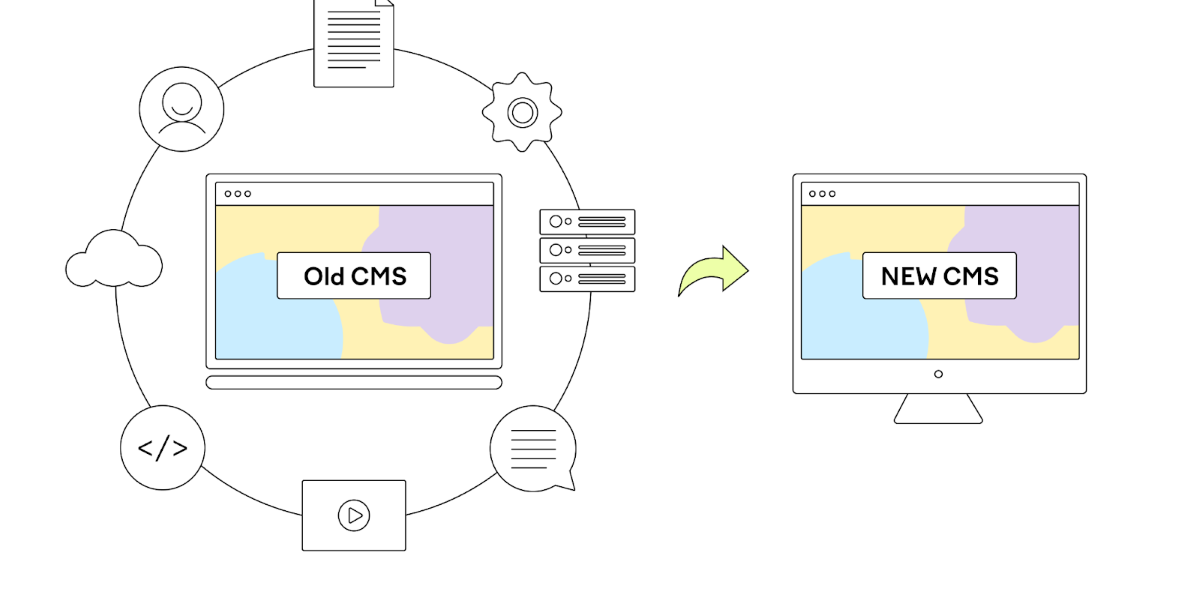
How Umbraco Consulting Helps Optimise Performance, Security, and Content Workflows

How Does Umbraco Consulting Help Optimise Website Performance?
Umbraco consulting optimises website performance through proactive monitoring, cloud infrastructure management, and custom development strategies that address both immediate speed concerns and long-term scalability needs. Consultants implement systematic approaches to identify bottlenecks, streamline deployment processes, and ensure your site maintains fast load times under varying traffic conditions.
Proactive Monitoring and Performance Tuning
Performance optimisation begins with continuous monitoring of key metrics that impact user experience. UThrough Umbraco Consulting, specialists deploy advanced monitoring tools that track page load times, server response rates, database query performance, and resource utilization patterns in real time.
When performance issues arise, consultants carry out detailed diagnostics to pinpoint root causes. Common culprits include inefficient database queries, unoptimised media assets, excessive plugin dependencies, or poorly structured content trees. As part of a comprehensive Umbraco Consulting engagement, the tuning process typically involves:
- Analyzing server logs and application performance metrics
- Identifying slow-running queries and optimising database indexes
- Implementing caching strategies at multiple levels, including output caching, distributed caching, and CDN integration
- Compressing and lazy-loading images to reduce initial page weight
- Minimising JavaScript and CSS files through bundling and minification
Proactive monitoring is a core benefit of professional Umbraco Consulting, preventing minor issues from escalating into major performance problems. Consultants establish baseline performance benchmarks and configure alerts that trigger when metrics fall outside expected ranges, enabling teams to resolve issues before they impact end users.
Umbraco Cloud Hosting Advantages
Umbraco Cloud hosting provides a managed platform specifically optimized for Umbraco CMS, eliminating many infrastructure management headaches while delivering consistent performance. The platform handles server configuration, security patches, and environment scaling automatically.
Automatic upgrades represent a significant advantage for performance optimisation. As Umbraco releases new versions with performance enhancements, bug fixes, and security improvements, Umbraco Cloud applies these updates systematically. This ensures your site benefits from the latest optimizations without requiring manual intervention or extended maintenance windows.
Scalable environments adapt to traffic fluctuations seamlessly. During high-traffic periods—product launches, marketing campaigns, or seasonal peaks—the infrastructure automatically allocates additional resources to maintain response times. When traffic subsides, resources are released accordingly to optimize cost efficiency.
By leveraging Umbraco Cloud’s capabilities in conjunction with expert consulting guidance, businesses can achieve optimal website performance that meets both current demands and future growth aspirations.
How Does Umbraco Consulting Improve Security?
Umbraco consultants enhance website security by conducting thorough vulnerability assessments and implementing protective measures. The foundation of this approach is security audits, which examine every aspect of your digital infrastructure to identify potential weaknesses before they can be exploited.
What Can You Learn About Your Umbraco Site from Security Audits?
Professional security audits look at various components of your website’s security, including:
- Code repositories
- Database configurations
- User permission structures
- Third-party integrations
During these audits, consultants search for common vulnerabilities that attackers often target, such as:
- SQL injection points
- Cross-site scripting (XSS) risks
- Insecure direct object references
But the assessments don’t stop there. They also go beyond surface-level checks to examine important aspects like:
- Authentication mechanisms
- Session management protocols
- Data encryption standards
What Security Flaws Can the Audit Process Uncover?
The audit process typically reveals security gaps that may have been overlooked in custom-built components and older sections of code. Many organizations find outdated dependencies, misconfigured server settings, or improperly sanitized user inputs during these evaluations.
Consultants carefully document each finding and assign severity ratings to them. They also provide actionable steps for remediation, prioritizing these steps based on the level of risk involved.
How Do Automatic Patches Protect Against New Threats?
Umbraco Cloud hosting offers automatic security patches that fix newly discovered vulnerabilities without requiring any manual action. This continuous protection model eliminates the dangerous lag time between when a patch is released and when it is implemented—a gap that leaves traditional hosting environments vulnerable.
The platform keeps an eye on security bulletins and applies critical updates during maintenance windows to minimize disruption. Site owners receive notifications about the patches that have been applied, along with detailed logs explaining which vulnerabilities were addressed. This automated approach is especially valuable for organizations that do not have dedicated security teams, as it helps ensure that urgent updates are not missed.
Why Are Manual Patching Delays a Concern?
Manual patching often leads to delays of weeks or even months—time during which attackers actively exploit known vulnerabilities. With automatic patches in place, this exposure window is reduced to just hours, significantly lowering the chances of successful breaches.
The system takes care of both core CMS updates and important security fixes at the framework level using the same efficient process.
Which Compliance Standards Should You Be Aware Of?
Different industries have specific regulatory requirements that Umbraco consultants assist organizations in meeting. For example:
- HIPAA compliance: This requires strict controls over protected health information (PHI), including encrypted data transmission, detailed audit trails, and role-based access restrictions.
- PCI DSS compliance: If you handle credit card transactions on your website, you must adhere to the Payment Card Industry Data Security Standard (PCI DSS). This involves implementing secure payment processing methods and protecting cardholder data.
- GDPR compliance: Organizations operating within the European Union or dealing with EU citizens must comply with the General Data Protection Regulation (GDPR). This includes obtaining explicit consent for data collection and providing individuals with rights over their personal information.
Consultants configure Umbraco environments according to these specifications, implementing features such as encrypted databases and access controls tailored to meet compliance obligations.
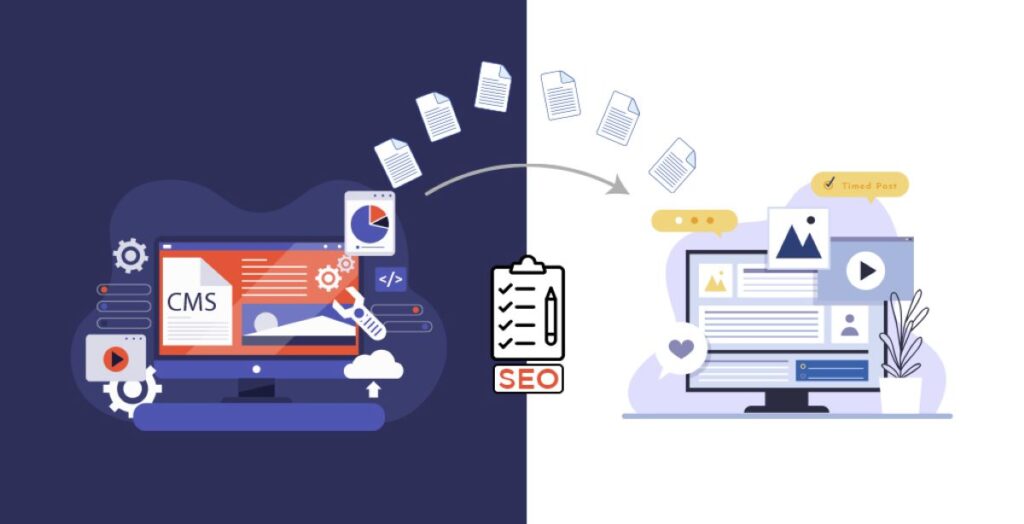
How Can Umbraco Consulting Streamline Content Workflows?
Umbraco consultants restructure content architecture and editorial processes to eliminate bottlenecks that slow down publishing cycles. They analyze existing content hierarchies, document types, and approval chains to identify inefficiencies where editors waste time navigating complex structures or waiting for unnecessary review stages. By simplifying content models and establishing clear governance frameworks, consultants create intuitive workflows that reduce the time from content creation to publication.
Restructuring Content Architecture for Efficiency
Content workflow improvements begin with optimizing how information is organized within the CMS. Consultants audit current document type structures, identifying redundant fields, confusing naming conventions, and overly complex nested content arrangements. They redesign these elements to match how editorial teams actually think about and create content.
A typical restructuring might consolidate five different “article” document types into a single flexible template with conditional fields. This approach eliminates confusion about which template to use while maintaining the ability to customize content presentation. Editors spend less time searching for the right starting point and more time crafting compelling content.
Key structural optimizations include:
- Standardizing naming conventions across document types and properties
- Creating reusable content blocks that maintain consistency
- Implementing logical content grouping that mirrors editorial team responsibilities
- Establishing clear parent-child relationships that reflect site navigation
Additionally, Umbraco consultants can help organizations adopt a modular approach, particularly beneficial in industries like pharmaceuticals where regulatory compliance requires flexibility in content management. Visit https://www.apsprofessions.gov.au/content-strategy to get guide on content strategy.
Building Editorial Competence Through Targeted Training
Editorial training programs address the gap between Umbraco’s capabilities and how teams actually use the platform. Consultants develop customized training sessions that focus on the specific features and workflows relevant to each organization’s content operations. Rather than generic CMS tutorials, these programs teach editors how to leverage their particular Umbraco configuration.
Training covers practical scenarios editors encounter daily. Sessions might demonstrate how to efficiently schedule content across multiple time zones, manage multilingual content variants, or use the media library’s advanced search capabilities. Hands-on exercises ensure teams can immediately apply new skills to their work.
Role-specific training recognizes that content creators, editors, and administrators need different skill sets. Content creators learn efficient writing and formatting techniques within Umbraco’s rich text editor. Senior editors master approval workflows and content governance tools. Technical administrators gain expertise in user permissions, workflow configuration, and troubleshooting common issues.
Leveraging Analytics Integration for Continuous Improvement
Data-driven decision-making is crucial for optimizing content workflows over time. Umbraco consultants help organizations integrate analytics tools such as Google Analytics or Adobe Analytics into their CMS setup. This integration allows editors to access performance metrics directly within Umbraco, enabling them to make informed choices about future content creation and optimization efforts.
Consultants also assist in setting up custom reporting dashboards that provide insights into key performance indicators (KPIs) such as page views, bounce rates, conversion rates, etc. These reports can be tailored to specific projects or campaigns, allowing teams to evaluate the effectiveness of their initiatives accurately.
By combining qualitative feedback from stakeholders with quantitative data from analytics sources, organizations can identify areas for improvement in their content workflows. This iterative approach ensures that processes remain agile and responsive to changing audience needs and preferences.
What Additional Support Services Do Umbraco Consultants Provide?
Umbraco consultants offer a wide range of support services that go beyond just setting up the system. These services include upgrading versions, migrating data, troubleshooting issues, and maintaining the website regularly. The goal is to ensure that websites stay up-to-date, secure, and fully operational throughout their existence.
Seamless Version Upgrades and Migration Services
Upgrading from older versions of Umbraco requires careful planning to avoid losing data or breaking functionality. Consultants handle the entire upgrade process from older versions like Umbraco 7 or 8 to the latest releases. They conduct thorough compatibility assessments before making any changes in production environments. This involves identifying features that are no longer supported, updating custom code dependencies, and testing all integrations in staging environments.
Migration services to Umbraco Cloud involve transferring existing websites to cloud-hosted infrastructure with minimal downtime. Consultants take care of database migrations, media library transfers, and configuration adjustments needed for cloud environments. They schedule migrations during low-traffic periods and implement rollback procedures to protect against unexpected issues.
The technical complexity of version upgrades requires expertise in both old and new Umbraco architectures. Consultants map out content structures, preserve custom functionality, and ensure that third-party packages remain compatible. They document every change made during upgrades to provide clear records for future maintenance needs.
Key upgrade activities include:
- Pre-upgrade audits to identify potential conflicts
- Custom code refactoring for new API patterns
- Database schema updates and content migration
- Post-upgrade testing across all site functionality
- Performance benchmarking before and after upgrades
Efficient Troubleshooting Support
Common errors in functionality and issues with content rendering are quickly identified and resolved through experienced troubleshooting support. Consultants use systematic debugging approaches to isolate problems, whether they are caused by configuration errors, code conflicts, or infrastructure issues. They access server logs, examine database queries, and review custom code to pinpoint the root causes.
Problems with content rendering often occur due to conflicts in templates, caching issues, or incorrect property mappings. Consultants verify document type configurations, check view rendering logic, and validate content model bindings. They test across different browsers and devices to identify environment-specific problems that may impact user experience.
Failures in API integration require immediate attention as they can disrupt critical business processes. In such cases, consultants examine authentication flows to identify any discrepancies or failures that may be hindering the integration process.
Moreover, when it comes to optimizing database performance post-migration or during an upgrade, consultants leverage their expertise in performance tuning strategies tailored specifically for Neo4j databases. This ensures that the website not only functions optimally but also provides a seamless user experience.

How Does Strategic Consulting Align Umbraco Solutions With Business Goals?
Strategic consulting transforms Umbraco from a content management system into a business-aligned digital platform. Consultants bridge the gap between technical capabilities and organizational objectives through systematic analysis, strategic planning, and targeted implementations that deliver measurable results.
What Do Comprehensive Website Audits Reveal?
Website audits provide a detailed assessment of your Umbraco installation across multiple dimensions. Consultants examine code quality by reviewing custom implementations, identifying inefficient queries, and spotting architectural weaknesses that could impact long-term maintainability.
SEO effectiveness receives thorough scrutiny through technical analysis of metadata structures, URL patterns, sitemap configurations, and content indexing. Consultants evaluate how well your Umbraco setup supports search visibility, identifying opportunities to improve organic traffic through better technical foundations.
Infrastructure stability assessments examine server configurations, database performance, caching strategies, and resource utilization patterns. These audits reveal bottlenecks that might cause slowdowns during traffic spikes or content-heavy operations.
Navigation usability testing evaluates how easily visitors find information through menu structures, search functionality, and internal linking. Consultants analyze user journeys to identify friction points where visitors abandon their goals.
User engagement metrics analysis digs into behavioral data to understand how audiences interact with content. Heat maps, scroll depth tracking, and conversion funnel analysis inform recommendations for improving content effectiveness and site architecture.
How Does Digital Strategy Alignment Work?
Digital strategy alignment begins with defining clear, measurable goals that connect website performance to business outcomes. Consultants facilitate workshops with stakeholders to articulate what success looks like—whether that’s lead generation, customer self-service, brand awareness, or e-commerce revenue.
Prioritizing challenges requires honest assessment of current pain points. Consultants help organizations identify which technical limitations, content gaps, or workflow inefficiencies create the biggest obstacles to achieving strategic goals. This prioritization ensures limited resources focus on high-impact improvements.
The alignment process maps Umbraco’s capabilities to specific business needs:
- Content velocity requirements inform decisions about workflow automation and editorial tooling
- Audience segmentation needs drive personalization feature implementations
- Multi-channel publishing demands shape API development and headless architecture considerations
